
Tag Out System · 26 November 2023
A Cornerstone of Sustainable Business Practices with Tag Out Systems
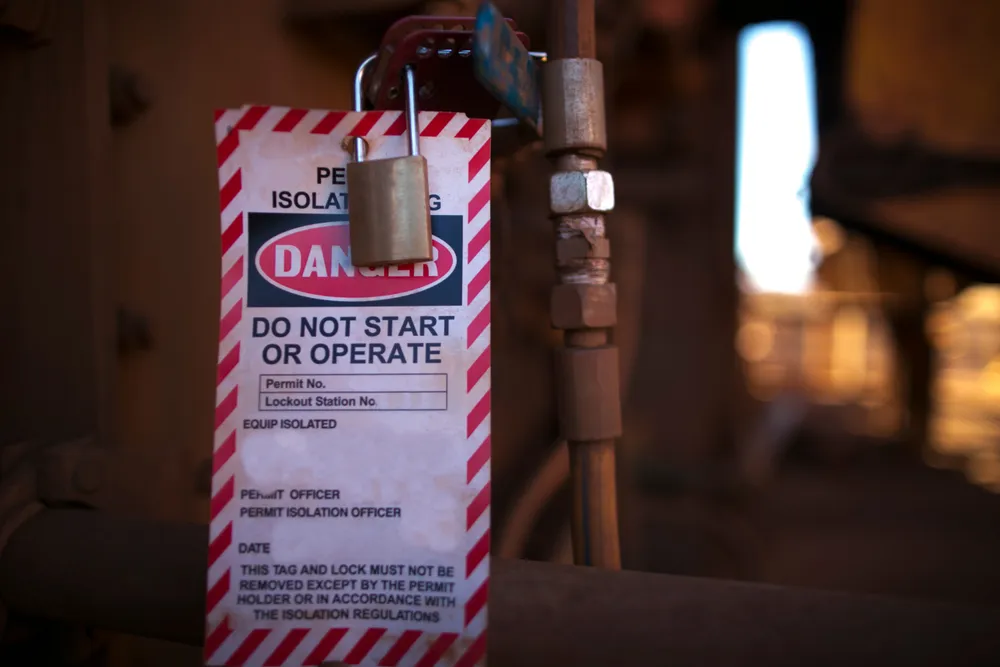
Ever wandered into a worksite and felt that unmistakable buzz of activity – yet also spotted the potential risks hiding in plain sight? It’s a common yarn, understanding the need for safety amidst every chug and clatter of gear.
Did you know a slick tag-out system can be a real lifesaver? It stops the kit from firing up when it shouldn’t, making disasters just about as likely as seeing a roo in downtown Sydney.
Our guide’s set to clue you in on how these systems are not only crucial for dodging mishaps; they’re part of shaping a future that’s both bright and durable. Stick around to learn how turning safety into your mob’s strong suit is smart business!
Key Takeaways
- Lockout-Tagout (LOTO) systems are crucial for preventing accidents and promoting workplace safety by blocking energy sources to prevent the start-up of machinery during maintenance.
- Integrating LOTO into sustainable business practices involves aligning with international standards, fostering a culture of safety, and complying with environmental regulations.
- Standardisation of LOTO procedures ensures consistency in safety measures, while training and organisational responsibilities play a pivotal role in successful implementation. Necessary equipment includes lockout padlocks, hasps, lockout tags, circuit breaker lockouts, valve lockouts, electrical plug lockouts, LOTO software solutions and a detailed checklist for systematic identification of potential energy sources.
Understanding the Importance of Lockout-Tagout (LOTO)
Implementing a Lockout-Tagout (LOTO) system is crucial for preventing accidents and promoting workplace safety. It is an essential component of sustainable business practices, ensuring the well-being of employees and reducing the risk of occupational hazards.
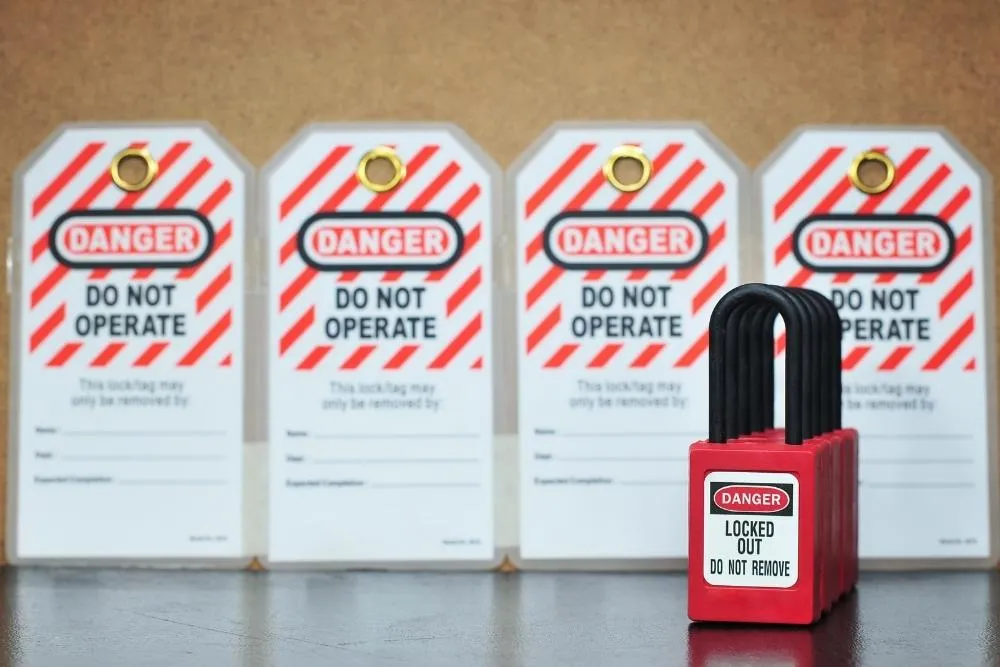
Preventing accidents and promoting safety
We all know that the safety of our team and the smooth running of operations are top priorities. By effectively using lockout-tagout procedures, we reduce risks in the workplace and prevent unwanted accidents.
These systems block any form of energy from sparking machines to life during maintenance, which means workers aren’t exposed to sudden starts or hazardous energy releases.
Ensuring every machine has a lockout device fitted and clear tags warning of potential dangers goes a long way in promoting safety. Regular training keeps everyone aware of standard operating procedures and helps us maintain a safe environment for all.
It’s not just about compliance; it’s about caring for our community at work and fostering sustainable business practices that prioritise well-being alongside efficiency.
Integrating LOTO into sustainable business practices
Integrating LOTO into sustainable business practices hinges on embedding a culture of safety across all operational facets. This process starts with aligning lockout-tagout (LOTO) systems to international sustainability standards and internal corporate laws, shaping the foundation for environmentally responsible and risk-managed operations.
By complying with regulations and implementing suitable devices, businesses demonstrate their commitment to occupational health and safety, waste management, and efficiency in workplace procedures.
Recognising the imperative role of LOTO in bolstering preventive maintenance is pivotal for cultivating a robust safety culture within workplaces. Upholding strong LOTO procedures provides tangible benefits for sustainable business practices by mitigating hazards, ensuring regulatory compliance, and enhancing occupational safety measures.
Components of a Functional LOTO System
- Standardisation of LOTO procedures ensures consistency and clarity in safety practices.
- Organisational responsibilities and training play a crucial role in the successful implementation of LOTO systems.
- Equipment and devices used for LOTO, such as padlocks and tagout boards, are essential tools for maintaining safety protocols.
Standardisation of LOTO procedures
Standardising LOTO procedures is crucial in promoting safety and preventing accidents. This involves creating uniform guidelines for lockout-tagout processes, ensuring that everyone follows the same protocols across the organisation.
It also entails developing clear, step-by-step instructions for implementing LOTO measures on various types of equipment and machinery. Standardisation helps to streamline operations and ensures that every worker understands and abides by the established lockout-tagout procedures, contributing to a safer work environment.
Implementing standardised LOTO procedures aligns with international standards for sustainable business practices. By adhering to consistent protocols, businesses can mitigate risks effectively while fostering a culture of safety within their operations.
Organisational responsibilities and training
Organisational responsibilities and training are essential for implementing an effective lockout/tagout (LOTO) system. Here’s what you need to consider:
- Designate specific individuals within the organisation to be responsible for overseeing the LOTO program, including creating and updating procedures, conducting training, and managing audits.
- Provide comprehensive training to all employees who may be exposed to hazardous energy sources, ensuring they understand the purpose of LOTO and how to properly implement it.
- Regularly review and update organisational procedures to align with any changes in equipment, regulations, or best practices.
- Conduct regular drills and simulations to ensure that employees are well-prepared to execute LOTO procedures effectively.
Equipment and devices used for LOTO
Implementing an effective Lockout-Tagout (LOTO) system involves using specific equipment and devices that are essential for ensuring the safety of personnel and machinery. Here is a detailed list of equipment and devices necessary for LOTO implementation:
- Lockout Padlocks: These specialised padlocks are designed to prevent unauthorised access to energy control points, ensuring that equipment remains inoperable during maintenance or servicing.
- Hasps and Lockout Tags: Hasps are used to secure multiple locks onto a single energy control point, while lockout tags provide a visual indication that a piece of equipment is being serviced or repaired.
- Lockout Stations: These centralised stations provide a designated location for storing lockout devices, ensuring easy access and visibility for all employees involved in maintenance activities.
- Circuit Breaker Lockouts: These devices prevent the accidental switching on of circuit breakers by physically blocking their levers from being operated.
- Valve Lockouts: Used to securely lock valves in the off position, preventing the flow of hazardous materials or energy during maintenance procedures.
- Electrical Plug Lockouts: Designed to prevent the insertion of plugs into electrical outlets, safeguarding against unexpected energisation during maintenance.
- LOTO Software Solutions: Advanced software tools allow for the management and tracking of LOTO procedures, ensuring compliance with regulations and providing transparency in safety management practices.
- Safety Checklist for LOTO Implementation: A detailed checklist helps in systematically identifying all potential energy sources, assessing associated risks, and implementing appropriate lockout measures.

Key Steps for Implementing an Effective LOTO System
We conduct audits and risk assessments to identify potential hazards and develop standardised lockout/tagout procedures. We also use LOTOTO (Lockout-Tagout-Tryout) to ensure all energy sources are isolated before maintenance or servicing work begins.
Conducting audits and risk assessments
To effectively implement a sustainable lockout/tagout system, conducting audits and risk assessments is essential. This ensures that potential hazards are identified and mitigated proactively, promoting a safer work environment for everyone involved.
- Regular audits and risk assessments help identify potential hazards within the workplace, enabling proactive measures to be taken to prevent accidents.
- By thoroughly assessing equipment, machinery, and operational procedures, businesses can gain a comprehensive understanding of potential risks and vulnerabilities.
- Conducting audits allows for the review of existing lockout/tagout procedures to ensure they align with current safety standards and regulations.
- Risk assessments provide insights into the specific energy sources present in different areas of the facility, enabling tailored lockout/tagout procedures to be developed for enhanced safety.
- Utilising data from audits and risk assessments helps create targeted training programs for employees, ensuring that they are equipped with the necessary knowledge to implement effective lockout/tagout practices.
Utilising lockout and tagout procedures
After conducting audits and risk assessments, it is crucial to understand the significance of utilising lockout and tagout procedures to ensure safety in our workplaces. We can achieve this by following these key steps:
- Implement lockout/tagout measures for all equipment and machinery that require maintenance or servicing to prevent accidental start-up.
- Utilise standardised lockout/tagout procedures, including the use of locks, tags, and signs to indicate when equipment is under maintenance.
- Train all personnel on how to properly apply lockout/tagout devices and procedures, including the importance of strict adherence to safety protocols.
- Regularly inspect and maintain lockout/tagout devices to ensure their effectiveness in preventing unauthorised re-energisation.
- Develop a comprehensive communication plan to inform employees about the implementation of lockout/tagout procedures and the potential hazards associated with unauthorised equipment operation.
- Integrate modern technologies such as software solutions for safety management to streamline the documentation and tracking of lockout/tagout processes.
- Establish a clear procedure for removing lockout/tagout devices only after maintenance work is completed, verified, and authorised by designated personnel.
- Encourage a culture of accountability where employees actively participate in reporting any observed deviations from lockout/tagout procedures for immediate corrective action.
- Continuously review and improve upon existing lockout/tagout procedures based on feedback, incident reports, and industry best practices to enhance workplace safety.
- Provide easy access to detailed resources such as standards and safety quizzes related to lockout/tagouts as a part of ongoing training and reinforcement.
Incorporating LOTOTO (Lockout-Tagout-Tryout)
After establishing lockout and tagout procedures in your business, it is crucial to further enhance safety measures by incorporating LOTOTO (Lockout-Tagout-Tryout). This additional step ensures that all energy sources are completely isolated and verified before any maintenance or servicing work begins. Here are the key steps for implementing LOTOTO:
- Conduct a thorough assessment of the equipment: Before initiating LOTOTO, assess all energy sources that need to be locked out and tagged out.
- Create a detailed procedure for LOTOTO: Develop a comprehensive plan that outlines the specific steps for locking, tagging, and verifying the isolation of each energy source.
- Provide training for employees: Ensure that all personnel involved in maintenance activities understand the LOTOTO process and receive proper training on how to execute it effectively.
- Implement verification measures: Incorporate a system for verifying that all energy sources have been properly isolated and confirm that equipment is safe for maintenance work to commence.
- Maintain records of LOTOTO procedures: Keep detailed documentation of all LOTOTO activities, including the identification of energy sources, isolation methods used, verification processes completed, and personnel involved.
- Regularly review and update LOTOTO procedures: As equipment changes or new hazards are identified, ensure that your LOTOTO procedures are continuously reviewed and updated to reflect these changes.
Tools and Technologies for LOTO
We’ll explore LOTO padlocks and boards, software solutions for safety management, and a checklist for LOTO implementation. Click here to learn more about how these tools can enhance your safety procedures.
LOTO padlocks and boards
LOTO padlocks and boards play a crucial role in ensuring the safety of personnel and equipment. These specialised padlocks are uniquely designed to fit LOTO devices, effectively preventing the accidental energising or start-up of machinery during maintenance or repairs.
The brightly coloured bodies aid in quick identification, while the tags attached provide essential information about who is working on the equipment and when maintenance began. LOTO boards serve as central stations for storing padlocks, tags, and keys, providing a visual reminder of ongoing lockout/tagout procedures within a facility.
By using these tools, home, industrial, and office owners can maintain a high level of safety compliance while facilitating smooth operations.
Investing in quality LOTO padlocks not only promotes worker safety but also demonstrates environmental responsibility by mitigating potential hazards associated with operating machinery.
Software solutions for safety management
Implementing an effective safety management system is crucial for safeguarding both employees and equipment. Utilising software solutions tailored to safety management can streamline the process, ensuring efficient implementation of lockout/tagout procedures.
These systems are equipped with features such as digital checklists, real-time monitoring, and automated alerts for maintenance schedules, contributing to a proactive approach to risk management.
Home, industrial, and office owners can benefit from these user-friendly tools that enhance compliance with regulations while promoting a culture of safety within their organisations.
In addition to advanced software solutions, businesses can also leverage mobile applications designed specifically for on-the-go access to lockout/tagout procedures and guidelines.
This accessibility empowers employees at all levels to actively participate in upholding safety practices in the workplace. Integrating modern technology into our lockout/tagout programs not only ensures regulatory adherence but also fosters a reliable infrastructure for sustainable operations.
Checklist for LOTO implementation
To implement an effective lockout/tagout (LOTO) system, it’s important to follow a comprehensive checklist. Here are the key steps to consider:
- Identifying all energy sources and equipment that require LOTO procedures, including electrical, mechanical, hydraulic, pneumatic, and thermal energy.
- Developing thorough written procedures for each piece of equipment or machinery, outlining the specific steps for locking and tagging out energy sources.
- Ensuring that all employees involved in maintenance activities are trained on LOTO procedures and understand their responsibilities.
- Providing the necessary lockout devices, tagout tools, and safety padlocks for use during maintenance work.
- Conducting periodic audits to review and update LOTO procedures based on changes in equipment or processes.
- Incorporating a verification process to confirm that all energy sources are effectively isolated before maintenance begins.
- Establishing clear communication protocols to notify affected personnel when LOTO procedures are being implemented.
- Routinely reviewing incident reports and near-misses related to energy control to identify areas for improvement in LOTO practices.
Prioritising Maintenance Safety with LOTO
In conclusion, prioritising maintenance safety with a lockout-tagout (LOTO) system is crucial for sustainable business practices. Implementing and continuously improving LOTO procedures can prevent accidents, promote a strong safety culture in the workplace, and contribute to environmental stewardship.