
Tag Out System · 14 November 2023
A Cornerstone of Risk Management in the Workplace with Tag Out Systems
Navigating the waters of workplace risk management can sometimes feel like you’re constantly dodging potential mishaps and keeping injuries at bay. We’ve navigated those same choppy waters, poring over every rule in the book to make sure our mates at work are safe as houses.
And fair dinkum, getting your head around things like proper lockout/tagout (LOTO) procedures is more than just dotting your i’s and crossing your t’s – it’s a game-changer that could save thousands from getting hurt on the job each year.
Our latest yarn is all about how to whip up a crackerjack LOTO system that’ll keep your crew out of strife. Stick with us, and we’ll help ensure everyone goes home in one piece after the day’s hard yakka!
Key Takeaways
- Tag Out Systems, also known as Lockout/Tagout or LOTO, are pivotal safety procedures designed to prevent unexpected equipment startup and hazardous energy release during maintenance activities.
- Effective implementation of lockout/tagout systems is crucial for workplace safety as it helps prevent accidents related to hazardous energy control and ensures compliance with regulations.
- Identifying potential hazards, evaluating risk levels, creating comprehensive LOTO procedures, continuous employee training, and open communication channels all play a critical role in successful tag-out system management.
What is Lockout Tagout (LOTO)?
Lockout Tagout (LOTO) is a safety procedure to ensure that dangerous machines are properly shut off and cannot be started up again before maintenance or servicing work is completed.
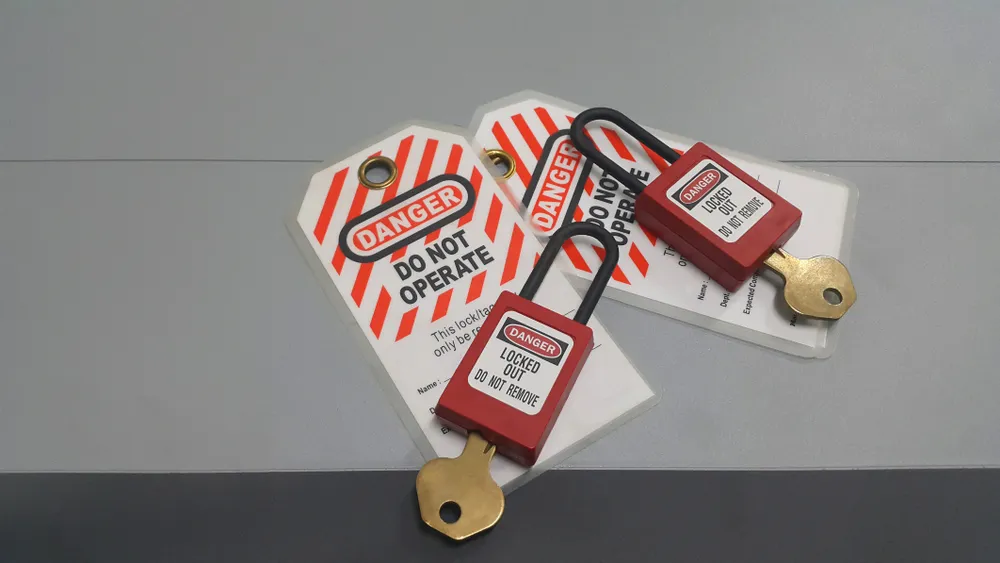
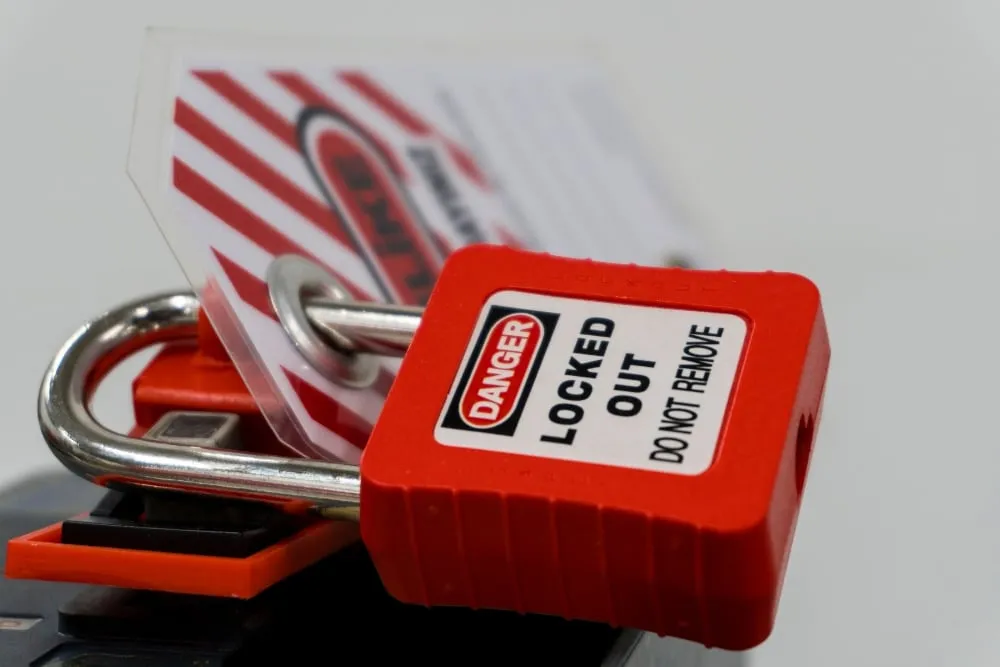
This procedure involves placing a lock on the energy-isolating device and attaching a tag with important information about the work.
Definition
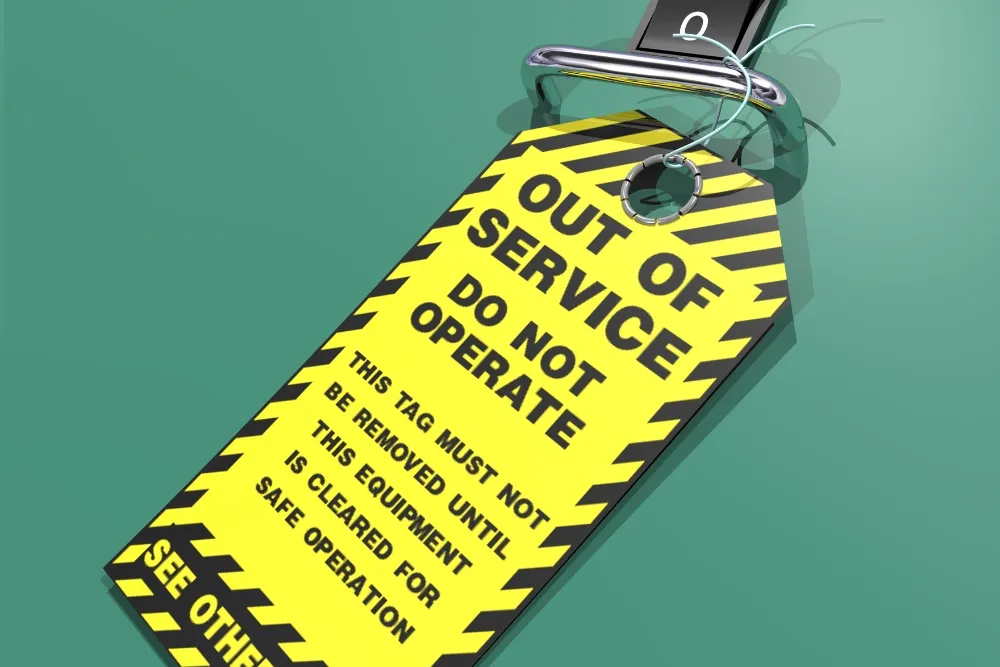
Tag Out Systems, commonly referred to as Lockout/Tagout or LOTO, are safety procedures designed to protect us from the unexpected startup of machinery and equipment or the release of hazardous energy during service and maintenance activities. Essentially, they involve placing a lock and/or warning tag on an energy-isolating device, ensuring that the equipment being controlled cannot be operated until the lockout device is removed.
This strategy prevents accidents and ensures worker safety by establishing clear protocols for dealing with potentially dangerous equipment. By adhering to these systems, we enforce a strict policy where hazardous energy sources are securely isolated. It’s our line of defence against unwanted energy release that can cause injury or even death in the workplace.
Following Occupational health and safety regulations, every employer must implement a functional LOTO system tailored to their specific work environment to safeguard everyone involved in operational processes. These measures are part of our commitment towards maintaining a safe working space where risk management is prioritised using dependable tag-out systems.
Importance in workplace safety
Implementing effective lockout/tagout (LOTO) systems is crucial for workplace safety. LOTO procedures are essential in preventing accidents and injuries related to hazardous energy control.
Home, industrial, and office owners need to understand that a functional LOTO program protects workers from injury while working near electrical circuits and equipment. Engaging in continuous improvement of energy isolation lays the foundation for a safe environment, emphasising the importance of executive management backing these initiatives.
Lockout/tagout systems are a cornerstone of risk management, preventing workplace accidents by effectively controlling hazardous energy. Employers need to prioritise LOTO training and communication within their facilities to ensure that workers are equipped with the necessary tools to mitigate workplace hazards.
The LOTO Procedure Risk Assessment
We’ll delve into the critical steps of identifying potential hazards, evaluating risk levels, and creating and implementing a LOTO procedure to ensure workplace safety.
Identifying potential hazards
When identifying potential hazards, we must thoroughly examine the workplace to pinpoint any sources of hazardous energy. All equipment and processes that could pose a risk must be scrutinised, including electrical circuits, machinery with moving parts, and pressurised systems.
It is crucial to methodically assess each area for potential dangers and ensure that all team members are trained to recognise these hazards.
Evaluating risk levels allows us to prioritise areas where lockout/tagout procedures are most urgently needed. By considering the severity of potential injuries and the likelihood of an incident occurring, we can focus on implementing thorough safety measures in high-risk zones.
Evaluating risk levels
To evaluate risk levels, we must identify potential hazards in the workplace. Assessing risks helps in understanding the severity of potential harm and determining the necessary precautions to prevent accidents.
By examining energy release prevention measures and understanding lockout/tagout (LOTO) procedures, employers can create and implement effective safety protocols for workers operating or servicing equipment or machinery.
It is essential to assess work environments comprehensively, considering all possible scenarios that may expose workers to hazardous energy. Evaluating risk levels involves understanding the different sources of hazardous energy, such as electrical, mechanical, hydraulic, pneumatic, chemical, thermal, and gravitational energies.
Creating and implementing a LOTO procedure
Implementing a LOTO procedure is crucial for workplace safety. It involves several essential steps:
- Identifying potential hazards in the workplace.
- Evaluating risk levels associated with each identified hazard.
- Developing and implementing a comprehensive LOTO procedure based on the assessment.
- Training employees on the LOTO procedure to ensure proper understanding and compliance.
- Communicating the importance of LOTO and ensuring all employees are knowledgeable about the procedures.
Training and Communication in LOTO
Effective training is crucial in ensuring that all employees understand the LOTO procedure and can implement it safely. Clear communication about energy control measures is also essential for maintaining a safe workplace environment.
The role of training in ensuring safety
Training plays a pivotal role in ensuring safety within the workplace.
It equips employees with the necessary knowledge and skills to effectively implement lockout/tagout procedures, thereby reducing the risk of accidents and injuries.
Through training, workers can learn how to identify potential hazards, evaluate risk levels, and actively participate in creating and implementing a robust lockout/tagout procedure.
Additionally, ongoing training ensures that employees remain up-to-date with the latest regulations and best practices for energy control programs, empowering them to contribute to a safer work environment.
Properly trained personnel are better equipped to communicate effectively regarding lockout/tagout procedures, enhancing overall workplace safety. With comprehensive training initiatives in place, both home and industrial environments can benefit from improved awareness of potential hazards associated with electrical circuits and equipment.
Importance of effective communication
Effective communication is vital to ensuring the success of lockout/tagout (LOTO) procedures in the workplace. Clear and concise communication between all employees, from management to frontline workers, is crucial for everyone to understand their roles and responsibilities in implementing LOTO.
This includes providing clear instructions on equipment isolation, energy control measures, and the importance of adhering to established safety protocols. Ensuring that everyone involved understands and follows proper lockout/tagout practices minimises the risk of accidents, injuries, and fatalities in the workplace.
Maintaining open lines of communication also allows employees to report any potential hazards or issues related to LOTO procedures promptly. Regular feedback mechanisms enable continuous improvement in energy control programs while fostering a culture of safety and responsibility among all team members.
Components of an Effective Energy Control Program
Lockout devices and tagout tags are essential components of an effective energy control program, ensuring the safety of workers when servicing or maintaining equipment.
Lockout devices and tagout tags
Lockout devices and tagout tags are crucial components of a comprehensive energy control program. These safety measures help prevent accidental equipment activation during maintenance or repair work, reducing the risk of workplace accidents.
By using lockout devices such as locks, hasps, and valve lockouts alongside tagout tags indicating the reason for the lockout/tagout procedure, employers can effectively communicate potential hazards to employees.
Regular inspection and updating of these devices ensure compliance with safety regulations and promote a safer work environment.
Implementing lockout devices and tagout tags requires careful consideration of specific energy sources that need isolation during maintenance activities. Each device should be durable, standardised throughout the facility, and capable of withstanding the environmental conditions at its location.
Continuous improvement in energy control
After implementing lockout devices and tagout tags, continuous improvement in energy control is crucial for ensuring the ongoing safety of workers and preventing accidents. Regular review and assessment of energy isolation procedures are necessary to identify areas for enhancement and optimise the overall effectiveness.
This continual evaluation can lead to updates in technology, processes, or equipment that improve the precision and efficiency of energy control measures. Home, industrial, and office owners need to stay informed about advancements in energy isolation techniques and incorporate relevant improvements into their existing LOTO procedures to maintain a safe working environment.
Incorporating feedback from workers who operate under these systems can also provide valuable insights into potential areas for improvement. This ongoing commitment to refinement ensures that energy control measures remain effective against evolving workplace hazards and industry best practices.
Technological advancements in energy isolation
Continuous improvement in energy control has led to significant technological advancements in energy isolation. Innovations such as smart lockout/tagout devices and advanced software solutions are transforming how we mitigate hazardous energy risks.
These advancements provide real-time tracking of energy isolation status, ensuring enhanced safety for workers and minimising human error. Additionally, digital tools offer comprehensive documentation features, streamlining compliance efforts and increasing efficiency in maintenance operations.
Employers can leverage these technological advancements to bolster their lockout/tagout programs and reduce workplace accidents related to hazardous energy incidents. Integrating these cutting-edge technologies into existing safety protocols will not only enhance worker protection but also lead to greater operational productivity and regulatory adherence.
Common Challenges and Success Stories
We’ll explore real-life examples of successful LOTO implementation and how businesses have overcome common challenges in energy isolation. Read on to learn more about the future of workplace safety and energy control.
Case studies of successful LOTO implementation
We have seen successful LOTO implementation in various workplaces, which has significantly reduced the risk of accidents and injuries. Let’s take a closer look at these case studies:
- A large manufacturing facility implemented a comprehensive LOTO program that included detailed training for all employees, regular equipment inspections, and clear communication procedures. As a result, the number of workplace incidents related to hazardous energy decreased by 60% within the first year.
- In an industrial setting, a proactive approach to LOTO involved utilising advanced lockout devices and tagout tags for complex machinery. This resulted in a remarkable 75% reduction in machine-related accidents over two years.
- A commercial office building implemented a strict energy control program that included regular safety audits and continuous improvement initiatives. This approach led to zero workplace injuries related to energy hazards over three years.
- A construction company incorporated toolbox talks on LOTO systems as part of their daily safety protocols, resulting in heightened awareness and adherence to energy isolation procedures among workers and contractors. This initiative contributed to a 50% decrease in electrical accidents on construction sites.
- By leveraging digital resources such as lockout/tagout procedure PDFs and interactive safety quizzes, an educational institution enhanced employee knowledge and compliance with LOTO regulations, leading to a 70% decrease in electrical-related incidents within campus facilities.
- An energy-intensive operation successfully integrated technological advancements in energy isolation by implementing remote-controlled lockout devices, improving both efficiency and safety standards across the facility.
Overcoming common challenges in LOTO implementation
After studying successful LOTO implementation, we have identified common challenges that require special attention. Creating awareness and promoting a safety culture among employees is crucial.
Communication breakdowns can hinder the effectiveness of LOTO systems, so it’s important to ensure clear and consistent communication throughout the organisation. Additionally, ensuring that all energy control measures are effective and well-maintained poses another challenge.
Adequate resources for training and regular updates on technological advancements are essential for overcoming these obstacles in LOTO implementation.
The future of energy isolation and workplace safety
Having overcome common challenges in LOTO implementation, it’s crucial to look ahead at the future of energy isolation and workplace safety. The evolution of technology is expected to play a significant role in advancing energy control programs, leading to more efficient and effective lockout/tagout systems.
Additionally, continuous improvement initiatives will drive the development of innovative lockout devices and tagout tags, enhancing their usability and reliability. As industrial processes evolve, there will be an increased focus on integrating smart technologies into energy isolation procedures to provide real-time monitoring and alerts for enhanced safety.
With technological advancements shaping the landscape of workplace safety, employers must stay informed about the latest developments in energy control equipment. This includes embracing digital solutions that offer remote access capabilities for energy isolation procedures, ensuring optimal protection for workers across various industries.
Moreover, ongoing research and development efforts are anticipated to pave the way for automated lockout/tagout systems that streamline compliance while maximising worker protection.
Learn More about Tag Out Systems
In conclusion, Tag Out Systems play a crucial role in workplace safety and risk management. Implementing effective LOTO procedures is vital for preventing accidents and injuries. Management buy-in and continuous employee training are essential for maintaining a safe work environment.
Utilising lockout devices, clear communication, and technology advancements all contribute to the success of energy control programs. The future of energy isolation and workplace safety relies on consistent improvements and proactive measures to protect workers from hazardous energy-related incidents.